Updated: August 29, 2026
Investing can be daunting, especially with so many options out there. But what if there was a way to grow your money that’s both secure and accessible? The answer can be found in retail treasury bonds (RTBs).
Today, let’s learn more about these government-backed securities. We’ll explain retail treasury bonds, why investors should invest in them, how to get started, and other tips to keep in mind when investing in government bonds.
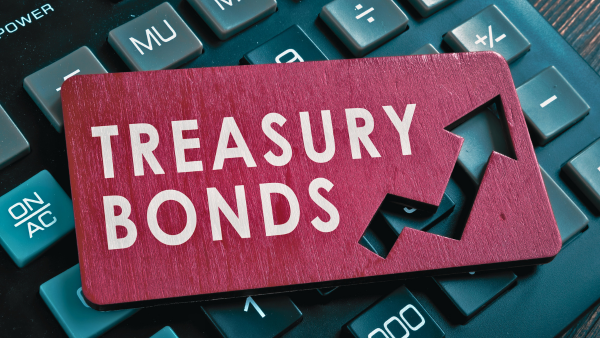
What Are Retail Treasury Bonds?
Retail treasury bonds, or RTB for short, are debt securities issued by the government to raise funds for various public projects and services.
When you invest in a treasury bond, you’re essentially lending money to the government, and in return, they promise to pay you back with interest over a set period.
Key Features of Retail Treasury Bonds
Fixed Income: Once you invest, the interest rate is locked in, meaning you’ll know exactly how much you’ll earn over the bond’s lifespan. And you’ll receive these interest payments regularly until the bond’s maturity.
Maturity Period: These bonds come with predetermined terms ranging from 1 to 20 years. At the end of this period, you’ll get back your initial investment.
Affordable: Unlike some investment options that require hefty upfront amounts, retail treasury bonds are designed to be accessible. You can often start investing with relatively low amounts, making them perfect for individuals looking to dip their toes into the investment world.

How Do They Differ from Corporate and Other Bonds?
You might be thinking, “Aren’t all bonds the same?” Not quite. Here’s how retail treasury bonds stand out:
- Security: Since government bonds are backed by the government, the risk of default is extremely low compared to corporate bonds. They’re one of the safest investment vehicles out there.
- Accessibility: Retail treasury bonds are tailored for individual investors, unlike some government or corporate bonds that cater mainly to large institutions. Investing in RTBs can be as simple as going to your bank or even doing it online.
- Predictable Returns: With fixed interest rates and schedules, you can better plan your finances, knowing when and how much you’ll receive.
In essence, retail treasury bonds offer a blend of safety, accessibility, and predictability—qualities that can be especially appealing if you’re looking to build a stable financial foundation.
Benefits of Investing in Retail Treasury Bonds
Safety and Security
When it comes to investing, minimizing risk is often a top priority. Retail treasury bonds shine in this aspect because they’re backed by the full faith and credit of the government. This backing significantly reduces the risk of default, making your investment as secure as it gets.
Regular Income
Who doesn’t appreciate a steady flow of income? With retail treasury bonds, you receive interest payments on a regular schedule, typically quarterly. This consistent income can help you cover expenses, reinvest for compounded growth, or simply give you peace of mind knowing you have money coming in regularly.
Accessibility
Gone are the days when investing was only for the wealthy elite. Retail treasury bonds are designed to be accessible to everyday individuals. With relatively low minimum investment requirements, you don’t need a massive bankroll to get started. This accessibility empowers more people to participate in and benefit from financial markets.
Diversification
Including retail treasury bonds in your investment mix can help diversify your portfolio. Diversification spreads risk across different asset types, protecting your overall investment from market volatility. Think of it as not putting all your eggs in one basket.
Ease of Management
Managing investments can sometimes feel like a full-time job. Retail treasury bonds, however, are relatively low-maintenance. Once you’ve made your investment, you can sit back and let it grow, checking in occasionally to track your returns. This simplicity makes them especially attractive for busy professionals juggling multiple responsibilities.

How to Invest in Retail Treasury Bonds
Step 1: Check Your Eligibility
The good news is that most individuals can invest in retail treasury bonds. Generally, you need to be a citizen or resident of the country issuing the bonds and meet the minimum age requirement, which is typically 18 years old.
Step 2: Choose Your Investment Channel
There are several ways to purchase retail treasury bonds:
- Banks: Many commercial banks facilitate the purchase of government bonds. You can visit your local branch or check their online platforms for more information.
- Brokerage Firms: Financial brokers can assist you in buying bonds, often providing additional services like investment advice and portfolio management.
- Online Platforms: Some governments offer direct online portals where you can purchase bonds without intermediaries. This method is convenient and often comes with lower fees. In the Philippines, you can visit the Bureau of Treasury’s website.
- Mobile Apps: In today’s digital age, some financial services apps allow you to invest in bonds right from your smartphone. This option is perfect for on-the-go investors. I use the Bonds.PH app.
Step 3: Understand the Process
Once you’ve chosen your preferred channel, here’s what typically happens:
- Application: Fill out an application form and provide the necessary personal and financial information. Depending on the platform, this can usually be done online or in person.
- Subscription Period: Governments often issue bonds during specific periods known as subscription or offering periods. Keep an eye out for announcements so you can subscribe on time.
- Payment: You’ll need to transfer the investment amount plus any applicable fees. Some platforms allow direct debit from your bank account for convenience.
- Allotment: After the subscription period closes, the bonds are allotted to investors. You’ll receive confirmation of your investment details, including interest rates and payment schedules.
- Holding: Your bonds are typically held electronically, either in an account with your bank or broker or through a centralized depository. This makes tracking and managing your investment straightforward.
- Interest Payments: You’ll receive interest payments as scheduled, usually deposited directly into your bank account.
- Maturity and Redemption: Once the bond reaches its maturity date, you’ll get back your initial investment (principal) along with any final interest payments.
Step 4: Know the Minimum Investment and Fees
The minimum investment amount varies by country but is generally set low to encourage participation. For example, you can start with as little as P500 in the Philippines. Be aware of any associated fees, such as service or brokerage fees, although these are typically minimal or none for government bonds.
Step 5: Monitor Your Investment
While retail treasury bonds are low-maintenance, it’s still a good idea to periodically review your investment, especially around interest payment dates and as the maturity date approaches. Most platforms provide easy access to your investment statements and updates.

Factors to Consider Before Investing
Before you jump in, it’s important to take a moment to assess whether retail treasury bonds align with your overall financial goals and circumstances. Here are some key factors to consider:
Your Investment Goals
Ask yourself: What am I aiming to achieve with this investment?
- Capital Preservation: Retail treasury bonds are a solid choice if your primary goal is to protect your principal while earning modest returns.
- Income Generation: Are you looking for a steady income stream to supplement your salary or cover specific expenses? Bonds’ regular interest payments can serve this purpose well.
- Long-Term Growth: While bonds are secure, they typically offer lower returns compared to stocks. Consider balancing bonds with other higher-yield investments if you’re seeking aggressive growth.
Interest Rate Environment
Interest rates play a crucial role in the performance of bonds.
- When Rates are Low: Locking in a bond during low-interest periods means you’ll earn less over time. However, the security might still be worth it, depending on your risk tolerance.
- When Rates are High: Higher interest rates mean better returns on new bonds, but existing bonds might decrease in value. Timing your investment can help maximize returns.
Inflation Risk
Inflation can erode the purchasing power of your returns.
- Fixed Returns vs. Rising Costs: If inflation rates outpace the interest you earn, your real returns decrease. Consider inflation-protected securities if this is a significant concern.
- Diversification as a Hedge: Balancing your portfolio with assets that traditionally outperform inflation can mitigate this risk.
Liquidity Needs
Consider how soon you might need access to your invested funds.
- Bond Maturity: Retail treasury bonds have set maturity dates, and accessing your principal before then can be challenging or may involve selling on secondary markets, potentially at a loss.
- Emergency Funds: Ensure you have sufficient liquid assets elsewhere before locking money into long-term bonds.

Investment Horizon
Think about how the bond’s term aligns with your financial timeline.
- Short-Term Goals: For goals within the next few years, shorter-term bonds might be more appropriate.
- Long-Term Goals: If you’re saving for retirement or future large expenses, longer-term bonds can provide stability over time.
Credit and Default Risk
While government-backed bonds are considered low-risk, it’s still important to assess:
- Government Stability: Invest in bonds from stable governments with strong credit ratings to minimize default risk.
- Economic Conditions: Understand the broader economic context of the issuing country, as it can impact the security of your investment.
Tax Implications
Taxes can affect your net returns.
- Interest Income Taxation: Know how interest earnings are taxed in your jurisdiction. Some bonds offer tax exemptions, which can enhance your returns.
- Reporting Requirements: Stay informed about any reporting obligations to avoid penalties.
Market Conditions
Overall, market dynamics can influence bond performance.
- Economic Trends: In uncertain economic times, bonds often become more attractive, potentially affecting demand and interest rates.
- Investment Alternatives: Compare bonds with other available investment options to determine the best fit for current market conditions.

Tips for Investing in Retail Treasury Bonds
Diversify Your Bond Portfolio
- Vary Maturities: Consider investing in bonds with different maturity dates. This strategy, known as laddering, ensures you have bonds maturing at various times, providing flexibility and reducing interest rate risk.
- Mix with Other Assets: Don’t put all your money into bonds. Balance your portfolio with other asset classes like stocks, mutual funds, or real estate to spread risk and potentially increase returns.
Keep an Eye on Interest Rate Trends
- Monitor Economic Indicators: Stay informed about economic reports and central bank announcements that could signal interest rate changes.
- Timing Your Investment: Investing when interest rates are relatively high can lock in better returns. Conversely, if rates are expected to rise, you might opt for shorter-term bonds or wait for a more favorable rate environment.
Reinvest Interest Payments
- Compound Your Returns: Instead of spending your interest payments, consider reinvesting them into additional bonds or other investment vehicles. This approach leverages the power of compound interest to grow your wealth over time.
- Automate Reinvestment: Some platforms offer automatic reinvestment options, making it easier to stay consistent with your strategy.
Stay Informed and Updated
- Regular Reviews: Periodically review your investment portfolio to ensure it still aligns with your financial goals and market conditions.
- Educate Yourself: Continuously learn about investment trends and financial planning. The more you know, the better decisions you can make.
- Consult Professionals: Don’t hesitate to seek advice from financial advisors or investment experts, especially when dealing with larger sums or complex strategies.

Be Patient and Disciplined
- Long-Term Perspective: Remember that bonds are typically long-term investments. Avoid the temptation to react impulsively to short-term market fluctuations.
- Stick to Your Plan: Develop a clear investment plan and stick to it, adjusting only when necessary based on informed decisions rather than emotions.
Understand the Costs Involved
- Watch Out for Fees: Be aware of any transaction or management fees associated with purchasing and holding bonds. Opt for platforms or services that offer competitive rates to maximize your net returns.
- Tax Planning: Strategize your investments with tax efficiency in mind. Utilize any available tax advantages and understand how different investment decisions affect your tax obligations.
Start Small and Scale Up
- Test the Waters: If you’re new to bonds, start with a smaller investment to get comfortable with the process and understand how returns and payments work.
- Increase Gradually: As you become more confident and knowledgeable, gradually increase your investment size and explore more sophisticated strategies.
Stay Flexible
- Adapt to Changes: Be prepared to adjust your investment approach in response to significant life events or changes in financial goals.
- Explore New Opportunities: Keep an open mind to emerging investment options and innovations in the financial markets that could complement your bond investments.

In Summary
Navigating the world of investments doesn’t have to be overwhelming. Retail treasury bonds offer a secure and straightforward avenue for young professionals looking to grow their wealth responsibly.
Let’s recap what we’ve covered:
- Understanding the Basics: Retail treasury bonds are government-backed securities that provide fixed, reliable returns over a set period.
- Recognizing the Benefits: They offer safety, regular income, accessibility, potential tax advantages, and an excellent means of diversifying your investment portfolio.
- Getting Started: Investing is a simple process involving choosing the proper channels, understanding the steps, and being mindful of minimum investments and fees.
- Making Informed Decisions: Considering your financial goals, interest rates, inflation, and liquidity needs ensures your investments align with your life plans.
- Maximizing Returns: Applying smart strategies and tips can help you get the most out of your bond investments.
Building wealth is a marathon, not a sprint. By incorporating stable and secure investments like retail treasury bonds into your portfolio, you’re laying down a strong foundation for long-term financial success.
What to do next: Click here to start your financial journey with IMG Wealth Academy