Updated: August 3, 2026
There’s a particular kind of magic that happens in a gown rental shop.
A bride-to-be walks in overwhelmed, maybe a little anxious about the budget, and walks out beaming because she just found “the one” — without spending a month’s salary on something she’ll wear once. A high schooler nervously picks her first ball gown for the prom. A tita finds the perfect barong for her son’s wedding entourage.
Indeed, the rental fashion industry has quietly become one of the most approachable, high-reward small businesses in the country. And it doesn’t require a fashion degree, a mall-sized budget, or years of experience to get started.
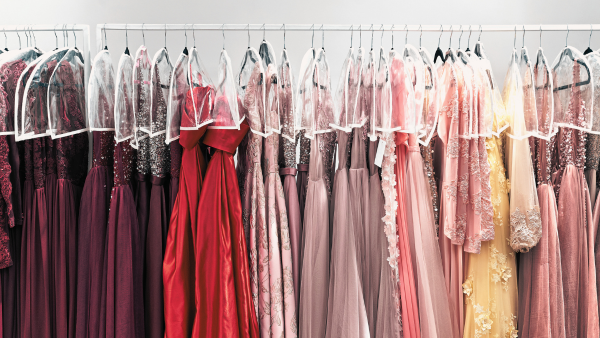
Why Gown and Dress Rental?
Every occasion seems to call for a stunning outfit: debuts, weddings, proms, company galas, and Christmas parties. But not everyone wants to spend ₱5,000 to ₱50,000 on a dress they’ll wear for a few hours and then stash in the closet forever. Your business fills the gap for people who want to look amazing, but can’t afford to spend so much.
Rental also fits neatly into how people already think about big expenses. Renting a barong for the groomsmen, borrowing a gown for a ninang duty, hiring a costume for a school play — these have always been part of the culture, especially outside Metro Manila where community events and family celebrations happen constantly.
There’s also a quieter trend working in your favor: more people are becoming conscious of overconsumption and clutter. Renting instead of buying is now seen as smart, not “cheap.”

Picking Your Lane: What Kind of Rental Shop Will You Be?
Before you buy a single gown, get specific about who you’re serving. “Dress rental” is actually several different businesses wearing one trench coat.
You might focus on bridal and wedding entourage rentals — gowns, barongs, and coordinated entourage looks for the whole wedding party. This tends to have the highest price point per rental but also the highest expectations for fit, fabric quality, and customer service, since weddings leave zero room for a botched fitting.
You could go the prom and debut route, which thrives on volume during a predictable season (roughly December to March, when school events cluster together) and tends to attract a younger, more trend-driven customer who wants the newest silhouette, not necessarily the most formal one.
There’s also the formal and corporate events niche — cocktail dresses, barongs, and suits for galas, awarding ceremonies, and company parties, which spreads more evenly across the year and often comes with repeat corporate clients.
And don’t overlook costumes and specialty wear for pageants, cultural presentations, and school plays, which can be a steady side income even if it’s not your main focus.
Many successful shop owners actually mix two or three of these lanes, using off-season months for one category to fill gaps left by another. A shop that’s slammed with debut gowns in February can pivot to barongs and ninang dresses during wedding season in the summer.

How Much Capital Do You Need?
A home-based micro operation — think 15 to 25 gowns, sourced from thrift finds, ukay-ukay formal wear, closet overflow from relatives, and a few budget-friendly tailored pieces — can realistically start with ₱30,000 to ₱80,000. You’re renting out of your own home or via appointment, marketing purely through Facebook and word of mouth, and doing your own alterations or partnering with a neighborhood mananahi.
A small storefront or stall setup — a proper fitting area, 40 to 80 gowns spanning several categories, basic signage, maybe a shared space in a commercial building — usually needs ₱150,000 to ₱400,000, factoring in rent deposits, racks, mirrors, steamers, and a starting inventory that actually looks impressive when someone walks in.
A full boutique with tailoring services on-site, a curated 100+ gown collection including some designer or custom pieces, and a proper client lounge can run ₱500,000 upward — but by this point you’re likely reinvesting profits from an existing smaller operation rather than starting cold.
A gown rental has one of the best repeat-revenue-per-item ratios in retail. A single ₱15,000 gown, rented out at ₱2,500 six times in a year, has already paid for itself and will start generating pure profit. And they can stay rentable for three to five years with proper care.

Business Registration
It’s tempting to just start posting on Facebook Marketplace and skip the paperwork, and plenty of shops do exactly that for a while. But formalizing your business early protects you and opens doors—including access to government support you’d otherwise miss out on.
The first real step for a sole proprietorship is registering your business name with the Department of Trade and Industry (DTI). Once you have your DTI Certificate, you’ll still need to secure a Barangay Clearance and Mayor’s/Business Permit from your local government unit, and register with the Bureau of Internal Revenue (BIR) for your Tax Identification Number, official receipts, and books of accounts.
If your total business assets (excluding the land you operate on) stay under ₱3,000,000, you may qualify to register as a Barangay Micro Business Enterprise (BMBE) under Republic Act 9178. A registered BMBE is exempt from income tax on income arising purely from its operations, and while other taxes like percentage tax and local fees may still apply, many local government units also reduce or waive those fees. For a home-based or small gown rental shop just starting out, this single registration could meaningfully improve your first few years of cash flow.
Where the Gowns Actually Come From
Your inventory is your business, so sourcing deserves real thought rather than just buying whatever looks pretty.
Many owners start by combining a few sources: talking to local dressmakers and small designers who are often happy to sell excess or sample pieces at a discount, scouring high-quality ukay-ukay and thrift finds (formal wear sections in Divisoria and similar wholesale markets can be goldmines if you know what to look for), and commissioning a handful of signature pieces from a trusted tailor to build a look that’s distinctly yours rather than something every other rental shop also has.
As you grow, building a relationship with one or two reliable seamstresses or a small tailoring shop becomes invaluable — not just for creating new pieces, but for the alterations and repairs every rental gown eventually needs. A gown that fits perfectly is the difference between a five-star review and a refund request.
Buy for range, not just volume. A shop with 30 gowns covering different body types, sizes, and styles will out-earn a shop with 60 gowns that are all variations of the same silhouette in the same size range. Filipino body types vary widely, and plus-size customers are consistently underserved in this market — stocking a genuine range of sizes is both the right thing to do and a smart competitive edge.

Pricing Strategy
Pricing rental gowns isn’t the same as pricing a product you sell once. You need to think in terms of how many times a piece needs to be rented before it “earns out,” and then how much pure profit it generates after that.
A reasonable starting formula: price each rental somewhere between 10% and 20% of what the gown would cost to buy outright, adjusted up for high-demand sizes, styles, or peak season (December to February for debuts and proms, roughly November to May for weddings), and adjusted down slightly during lean months to keep gowns moving instead of sitting idle.
Layer on a refundable security deposit (commonly equal to or double the rental fee) to cover potential damage, plus a small cleaning or maintenance fee built into every rental so you’re not caught off guard by dry cleaning costs. Many shops also offer add-on packages — hair and makeup partnerships, accessories, shoes, even a “photo-ready” bundle — which can add 20-30% more revenue per client without needing a single extra gown.
Don’t be afraid to offer tiered pricing: a “classic” rack at a lower price point alongside a “premium” rack featuring your newest, most photogenic pieces. This lets budget-conscious customers still walk away happy while giving those willing to spend more a clear reason to do so.
Protecting Yourself (and Your Gowns) with Solid Policies
Every rental should come with a simple, clearly written agreement covering the rental period, the deposit amount and conditions for its return, what counts as normal wear versus damage, and what happens if a gown is returned late, stained, or torn.
Take photos of every gown before it leaves your shop and when it comes back. This single habit resolves more disputes than any clause in a contract. Consider requiring a valid ID and, for higher-value pieces, a second form of contact information such as an emergency contact or workplace details. It might feel excessive for a small operation, but it becomes second nature quickly and saves you from painful losses down the line.
Also think seriously about gown care between rentals: proper garment bags, a dedicated steamer, silica gel packets against humidity, and a system for tracking which gowns are out, due back, or in for repairs. A simple spreadsheet or a basic inventory app is enough at first. You don’t need anything fancy until you’re managing well over a hundred pieces.

How to Do Marketing and Get Discovered
Word of mouth remains king in this business, but you can absolutely accelerate it. A Facebook page, Instagram account, or TikTok account with genuinely good photos and videos — not just of the gowns on hangers, but on real clients at real events — will do more for you than any paid ad in the early days. Ask happy customers if you can feature their photos (most will say yes, especially if you tag them and give them a small discount on their next rental).
Partner with people who are already in the orbit of your ideal customers: wedding coordinators, event stylists, school organizations that run prom and debut events, photographers, and hair and makeup artists. A referral arrangement — where you send clients their way and they send clients yours — costs nothing and compounds over time.
If your budget allows, a simple, well-lit shop or fitting corner also does wonders. People are renting an experience, not just an object; feeling pampered and taken care of during a fitting turns a one-time renter into someone who tells five friends about you.
Handling the Lean or Slow Season
Every rental business breathes in cycles. December through May tends to be busy with weddings, debuts, and proms, while certain months in between can feel eerily quiet.
Rather than treating slow months as dead time, use them to your advantage: schedule deep-cleaning and repair work for your existing gowns, plan and commission new pieces so they’re ready before the next busy season hits, run limited-time promotions to move slower-selling inventory, and invest time in content creation and partnership-building for when demand picks back up.
Some owners also diversify into adjacent, less-seasonal offerings during quieter months — costume rentals for school events and cultural presentations, corporate attire for company anniversaries, or even styling consultations. These smaller revenue streams smooth out the bumps and keep your cash flow steadier year-round.

In Summary
You don’t need a fashion background, a business degree, or a six-figure bank account to start something meaningful in this industry. What you need are a clear niche, honest pricing, and protective policies. Every successful gown rental shop you admire today started with a handful of dresses and someone who decided to take the leap.
Start small if you must, but start deliberately. Build your inventory with intention, treat every gown like it’s someone’s most important day, and let word of mouth do what no advertisement ever could.
The next debutante, bride, or graduate looking for the perfect gown could be looking for exactly what you’re about to build. All that’s left is to begin.
What to do next: Click here to start your financial journey with IMG Wealth Academy